
FOLLOW US
Via del Commercio, 3 int. 5
37030 - Colognola ai Colli (VR)
ITALY
© 2026
ADVISORY SERVICES FOR TRANSFERING
INNOVATIVE SYSTEMS AND TECHNOLOGIES
We evaluate the sustainability of innovative technologies
on a case-by-case basis
Numerous technological, digital, and precision innovations are now available to technicians and farmers to simplify, speed up, and improve the agronomic management of various phases of the production cycle. To decide whether and how to utilize them, it is crucial to evaluate their application on the farm through specific testing and validation activities.
Precision Testing supports private and public entities (farmers, technicians, trade associations, consortia) by conducting specific pilot projects to evaluate both the potential benefits and potential challenges of introducing new precision farming systems and technologies.
From monitoring to precision applications
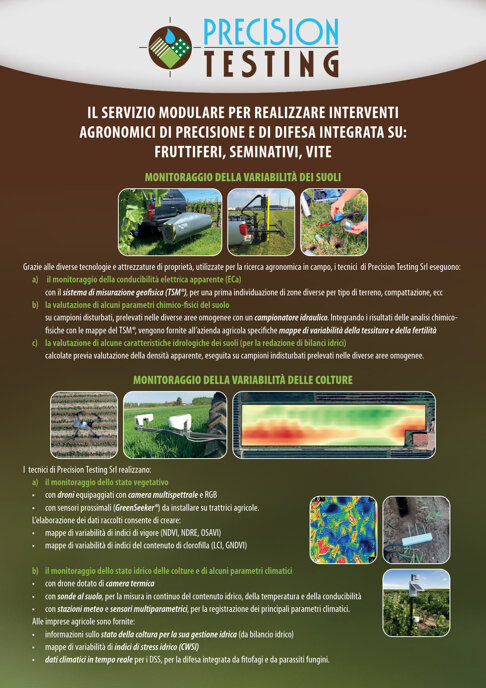
Monitoring is the starting point for precision applications of fertilizers, biostimulants, and agrochemicals, or for precision irrigation.
Identifying homogeneous areas based on soil and crop characteristics is the first step to understanding the variability of each field and enabling targeted (precision) applications at variable rates.
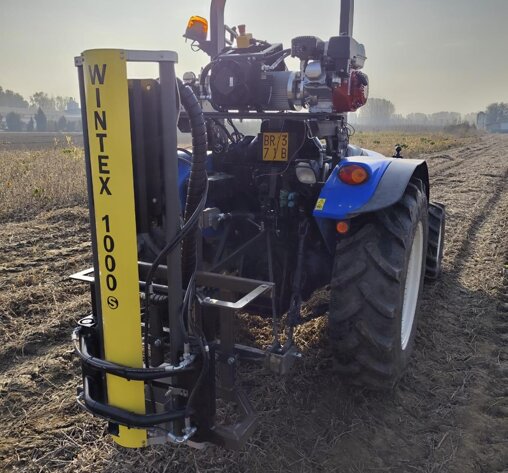
Processing data obtained from soil mapping and characterization (with electroconductivity meters and georeferenced sampling) and crop monitoring with various sensors (often mounted on drones) allows us to identify critical zones and areas of the crop subject to stress (water, nutritional, or due to infestations).
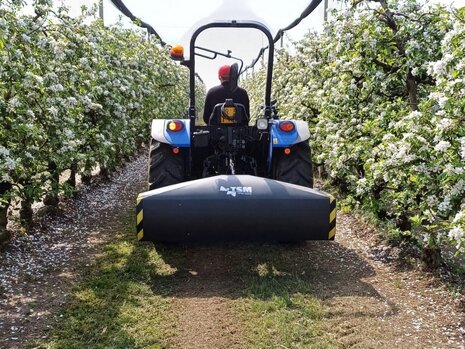
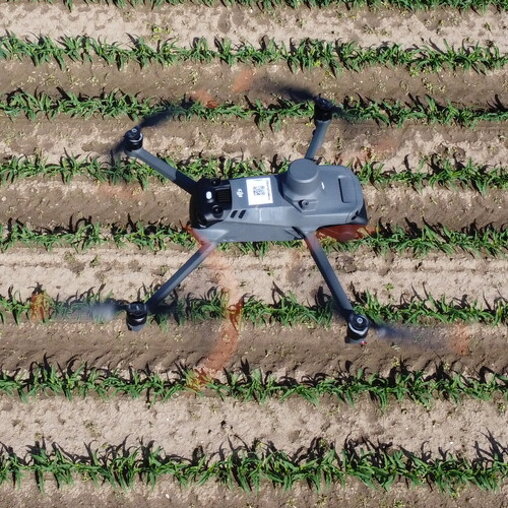
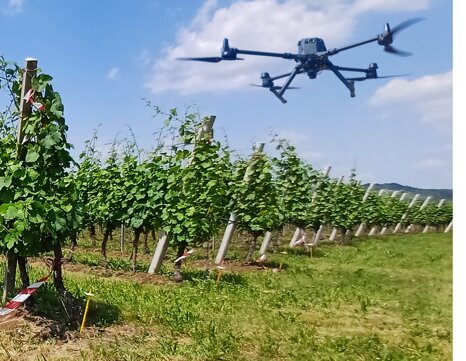
We conduct soil, crop, and pest monitoring, which we use to plan and implement precision interventions.Through pilot, testing, and demonstration projects, we verify the effectiveness and sustainability of new crop management systems, both for monitoring and application.
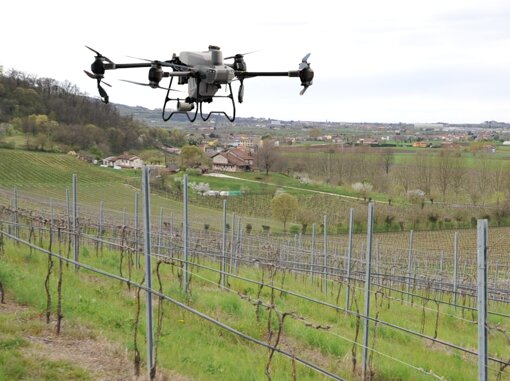
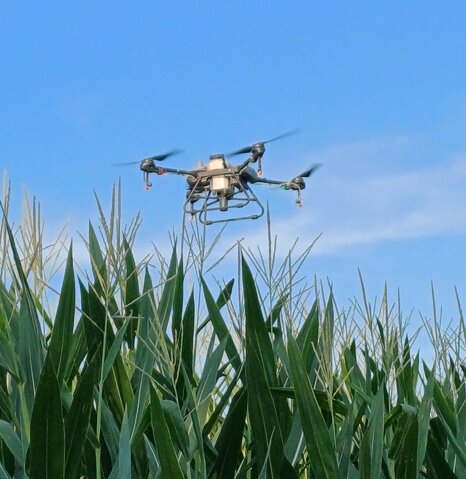
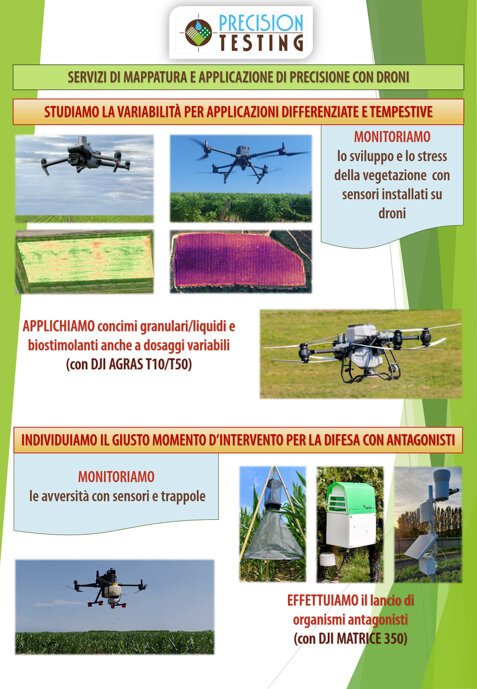
Precision applications with agricultural drones
We evaluate the sustainability and effectiveness of drone launches of antagonists
The activity is structured as follows:
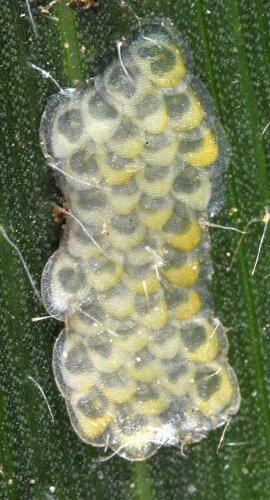
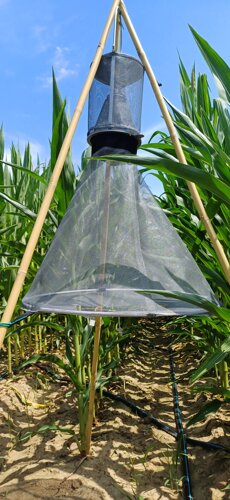
- We monitor pests through direct field observations, trap capture evaluations, climate modeling, and DSS use.
- We identify the most appropriate timing to release antagonists and coordinate with the supplier for timely delivery.
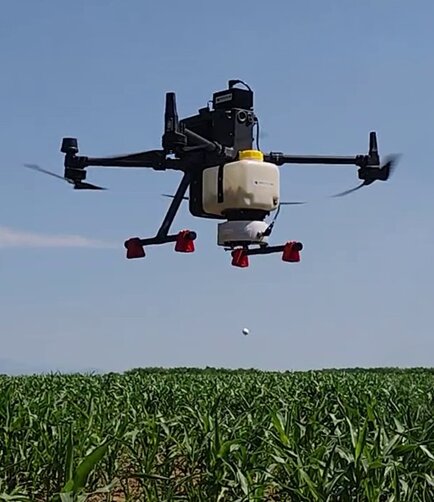
- We launch antagonists promptly, as we are equipped with our own pilots and drones (equipped with specific dispensers).
- We evaluate the effectiveness of the application, through sampling and specific post-launch monitoring.
We evaluate the sustainability and quality of granular fertilizer distribution
The process is structured as follows:
- We conduct distribution tests at different heights and flight speeds to calibrate the system based on the particle size and specific weight of the fertilizer and the required dosage.
- We define the distribution curve and therefore the working width, necessary to ensure proper overlapping of the passes.
- We simulate the distribution based on the parameters identified to evaluate the working times.
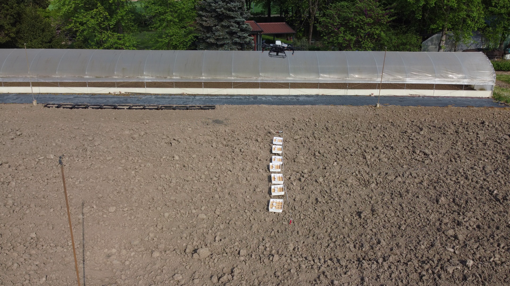
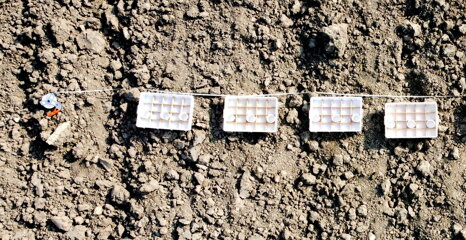
We evaluate the quality of agrochemical application with drones through ad hoc experimental tests
To date, drone application of pesticides in Italy is only authorized for experimental purposes!
Precision Testing is a pioneer in this type of experimentation: in 2025, we conducted the only trial in Veneto with agrochemicals and were the only testing center to obtain operational authorization from ENAC (Italian Civil Aviation Authority) that same year to operate our pilots and drones.
These activities (we are currently working on arable crops, horticultural crops, and tree crops) are conducted with the authorization of the Ministry of Health and ENAC (Italian Civil Aviation Authority). Their objective is to collect data on the efficacy and environmental sustainability of drone application of pesticides, comparing this system with traditional methods.
The long-awaited update to the regulatory framework (implementing decree of Article 6 of Law 2 December 2025 on aerial spraying) could be a way to promote drone-based pesticide application activities. If conducted well, these activities would become a true testing ground for various stakeholders to evaluate the system's advantages and weaknesses.
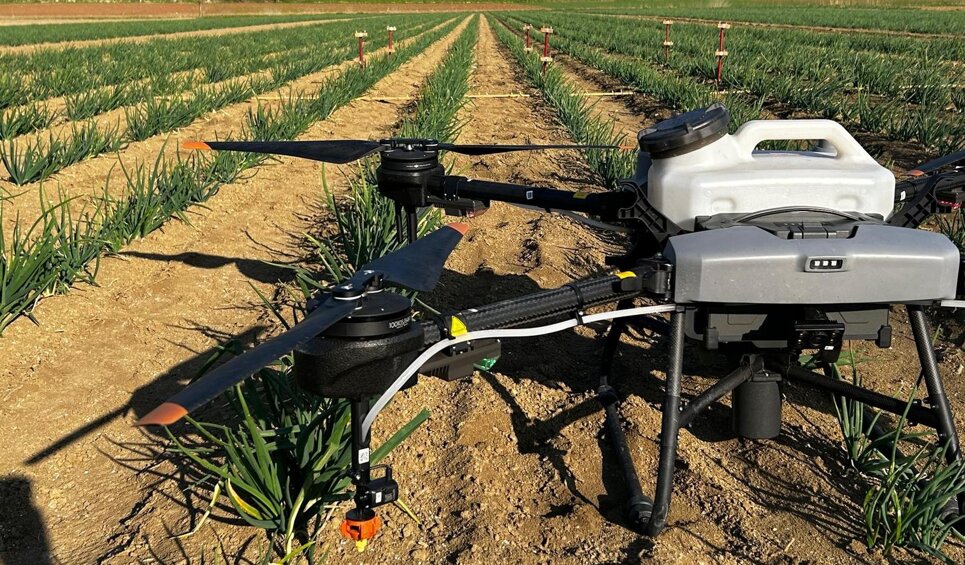
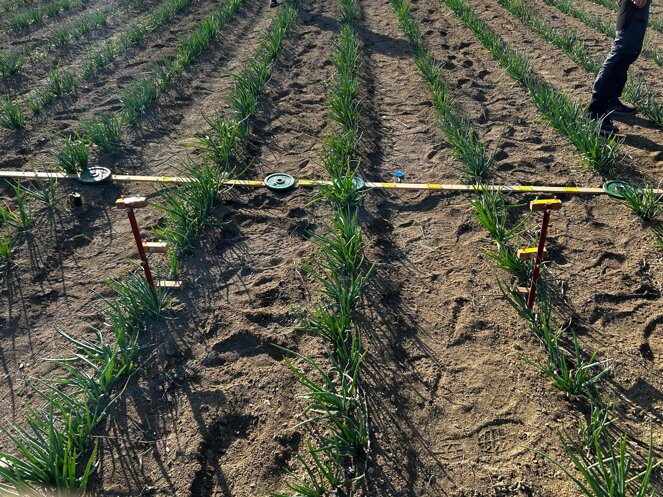
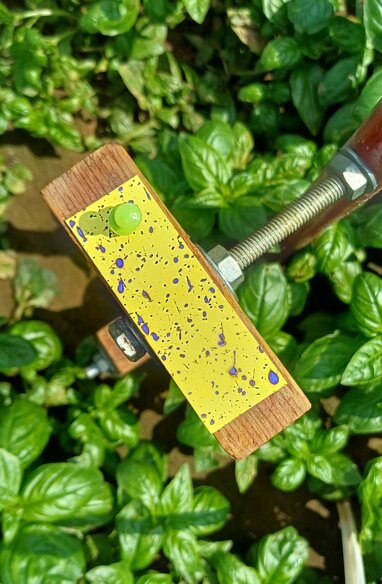
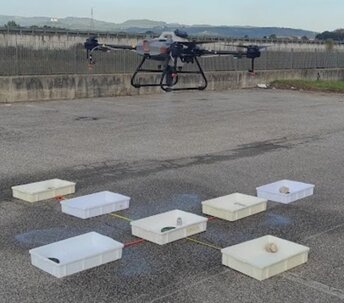
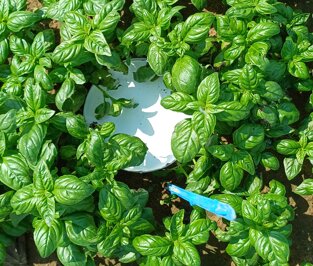
Activities we can carry out to verify the effectiveness and sustainability of the drone system in the farm
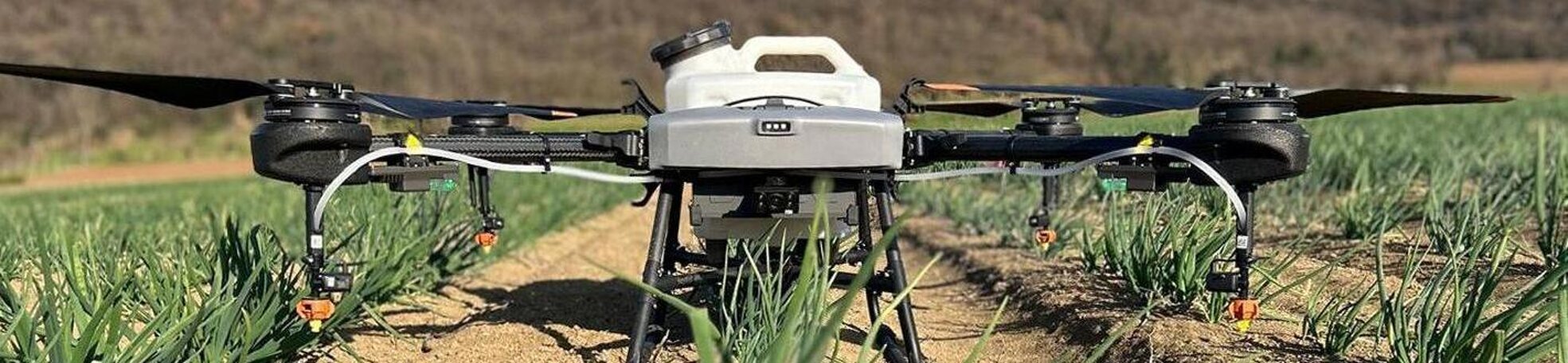
- Preliminary crop calibrations to identify the correct settings of the main operating parameters for UAS (width, speed, and height, spray volume, droplet micronization), ensuring optimal vegetation coverage with the least possible waste of pesticide mixture, maximizing the effectiveness of the products distributed and limiting aerial drift. The parameters chosen vary based on the crop and phenological stage, the plant organs to be protected, the training system, the type of pest, and the characteristics of the pesticide.
- Carrying out the applications, according to an experimental protocol that requires the presence of a surface treated with traditional means
- Evaluation of the effectiveness of the defense implemented with the drone system, compared to traditional systems.
UAS and agrochemicals: environmental and operational safety are key
Correctly defining the drone's operating parameters and using it in suitable weather conditions minimizes air drift, significantly reducing it compared to traditional sprayers, as evidenced by the trials conducted to date. For the safe use of drones, including in agriculture, strict compliance with aviation regulations (ENAC/EASA) is required, as they are, in effect, aircraft, with a significant MTOM (total mass of 1000 kg). It is not sufficient for the drone to be insured and registered on the D-Flight portal and for the pilots to hold the appropriate licenses (A1/A3, A2, and Specific). It is also necessary to obtain operational authorization from ENAC (with PDRA or SORA, depending on the drone's MTOM).